Electric kart engineering
From a 350 W efficiency-focused build to a 48 V BLDC Open Class kart. Powertrain decisions, CAD, telemetry and plenty of iteration.
Read the case studyIndependent engineering · Auckland, NZ
I'm Fanie Venter. I build and document things across electric vehicles, propulsion software, electronics and product design. The interesting part is what happens between the first idea and the working result.
01 / Selected work
Real constraints, practical decisions and lessons from things I am actually making.
From a 350 W efficiency-focused build to a 48 V BLDC Open Class kart. Powertrain decisions, CAD, telemetry and plenty of iteration.
Read the case studyA C# desktop tool for exploring simplified chamber, nozzle and flow calculations. Working toward more rigorous physics and visualisation.
Explore the simulator
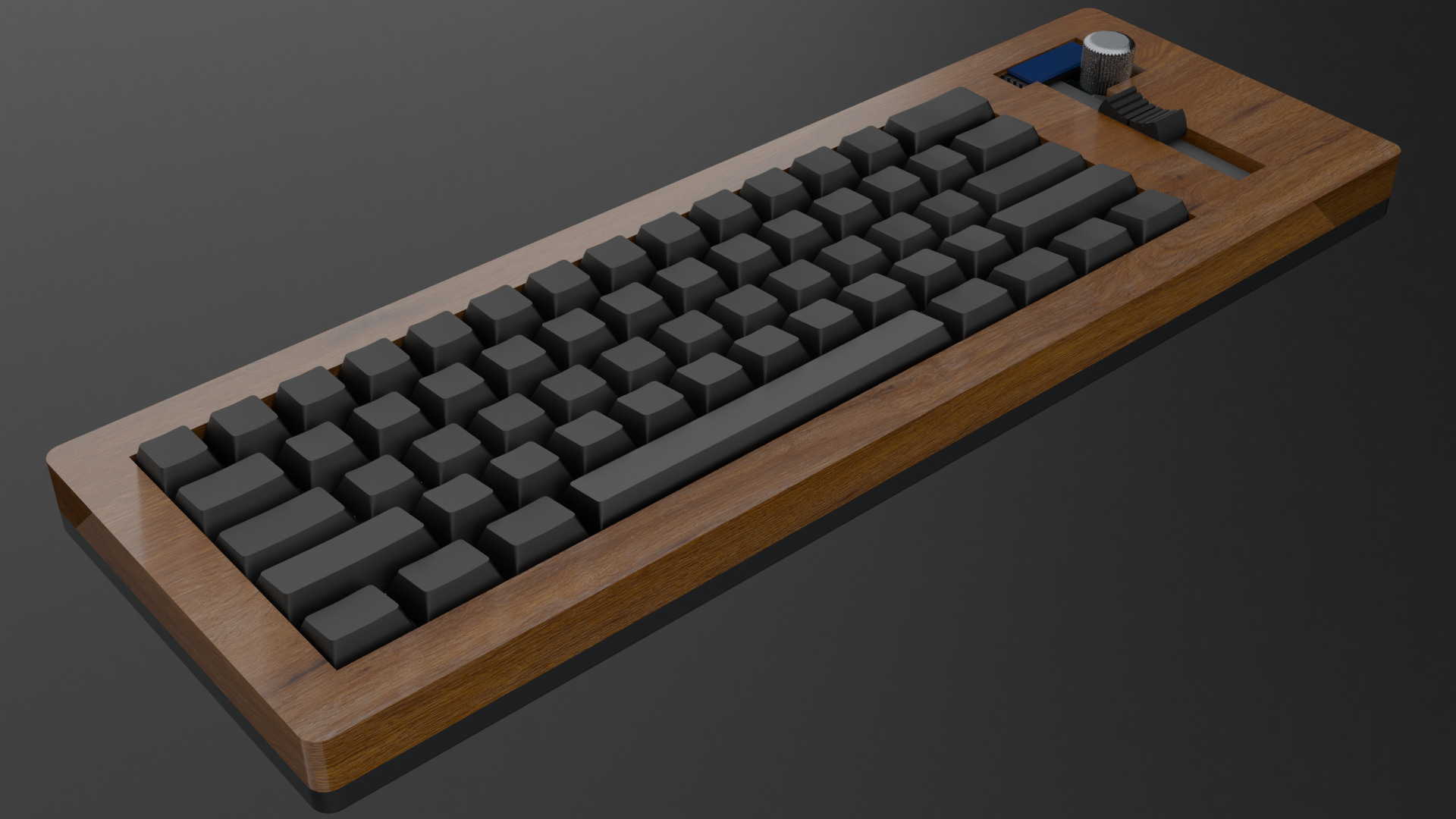
A 65% Hall-effect keyboard designed around an RP2350, with an OLED, rotary encoder, analogue slider and a two-material enclosure. Design files and fabrication package documented publicly.
See the design process02 / Method
Curiosity is the start.
Evidence is the point.
I'm interested in what makes systems work—and why they fail. That means getting comfortable with constraints, testing assumptions and documenting mistakes.
More about meWhat needs improving, and what are the limits?
Choose a direction in CAD, code or a simple calculation.
Get something working, collect data and look for discrepancies.
Keep the useful results, record the mistakes, and improve the next version.
03 / Journal
Progress, decisions and the occasional dead end.
My first pass at a C# rocket engine model, why input assumptions matter and what needs validation next.
What changed as I designed a Hall-effect keyboard PCB, iterated the case and prepared the manufacturing files.
Moving from a 350 W efficiency kart to a 48 V Open Class build, with gearing, battery limits and 3D-printed bodywork to solve.